lsweeney
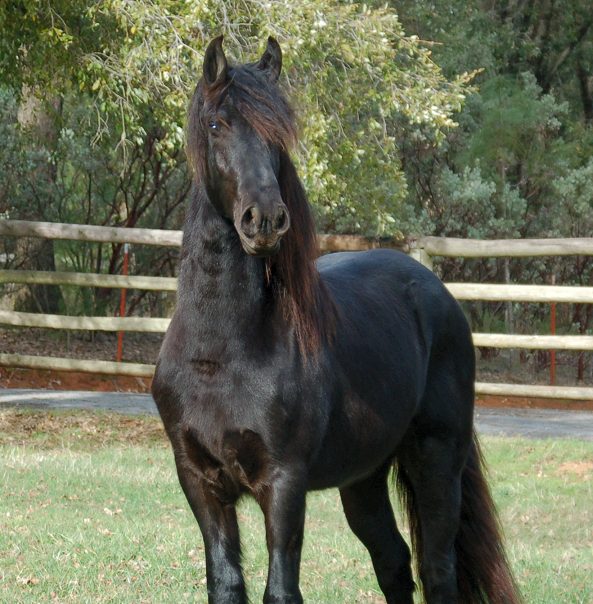
I have one vet telling me PPID not likely, and another telling me suspected PPID. In the lab results, there is this comment (below) relative to the Leptin level which is high at 24.83. (See below) I’m reading this as PPID is more likely if the Leptin level is low in conjunction with high ACTH and high Insulin. My vet is pointing to EMS, but ruled out PPID. (She is very young and new. I’m sure competent, but probably doesn’t have as much experience under her belt.) We have ordered Levothyroxine to help her lose weight. What happens if I give her Pergolide, and she doesn’t have PPID? Is Pergolide required, or can we proceed with diet and exercise changes and see if that is effective? Also, attached is this mare as a yearling, so being hairy is definitely part of her DNA. Like I said, she does shed out normally, but is a beast during the winter. She has NOT foundered.
Normal levels are 1-10 ng/mL; intermediate levels are 10-20 ng/mL; and high levels are >20 ng/mL. Friesians and other draft or light draft-type horses appear to have a higher normal range than light horses in a limited study. The light draft normal range is < 15 ng/mL. In Equine Metabolic Syndrome (EMS), the concentration of leptin is generally in the high or intermediate reference range. Horses with Pituitary Pars Intermedia Dysplasia (PPID, Cushing’s syndrome) with high ACTH and high insulin, but low leptin are more likely to have hyperinsulinemia caused by PPID rather than EMS. High leptin levels alone do not mean a horse has EMS, it may indicate an increased potential for developing EMS and/or the horse is overweight or obese. Ideally leptin levels will decrease as animals are treated for EMS. Leptin levels generally decrease 1-2 months before insulin levels in these horses